Power Flush Central Heating & Ways It Cuts Your Energy Bills
Power Flush Central Heating 5 Ways It Cuts Your Energy Bills
With the October 2026 energy price cap pushing gas to almost 8p per kWh, every unit your heating wastes now costs more than it has in years. One of the most overlooked causes of high bills is hiding inside your radiators: black sludge, rust and limescale that slow down your whole system.
A power flush central heating clean removes that build up so your boiler, pump and radiators can work the way they were designed to. At Hayward Heating & Plumbing in Ashtead, we power flush central heating systems in homes across Leatherhead, Fetcham, Epsom, Banstead and the surrounding Surrey towns.
This guide explains how sludge drives up your bills, the five ways a power flush central heating service saves you money, and what you could realistically save on gas and electricity.
Power Flush Central Heating Quick Links
- What Is a Power Flush?
- How Sludge Raises Your Energy Bills
- 5 Ways a Power Flush Cuts Your Energy Bills
- How Much Could Power Flush Central Heating Save You?
- Signs You Need a Power Flush Central Heating Service
- Combine Your Power Flush With a Boiler Service
- Power Flush Central Heating Questions
- Book a Power Flush in Surrey
What Is a Power Flush?
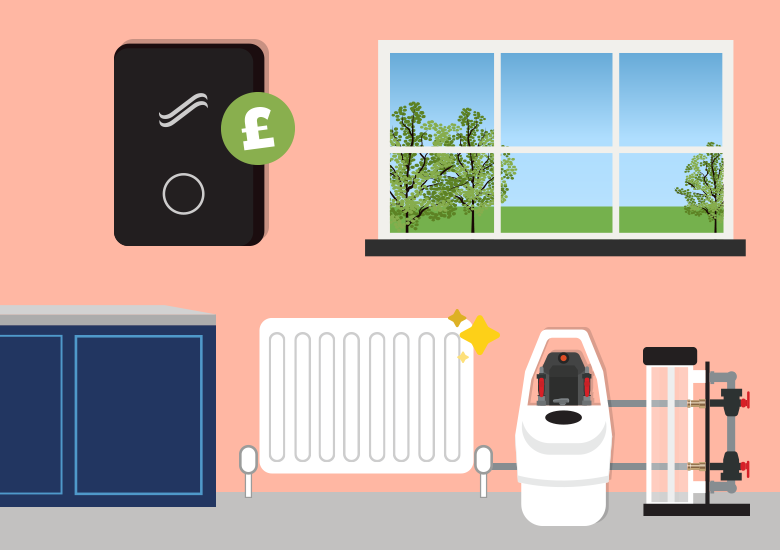
A power flush is a deep clean of your heating system. A specialist pump machine is connected to your pipework and pushes water and cleaning chemicals through every pipe and radiator at a high flow rate. This loosens sludge, rust and scale and carries it out of the system.
Once the water runs clear, the system is refilled with fresh water and a corrosion inhibitor to protect it from future build up. In most homes, a power flush central heating job takes around a day, depending on the number of radiators and how dirty the water is.
How Sludge Raises Your Energy Bills
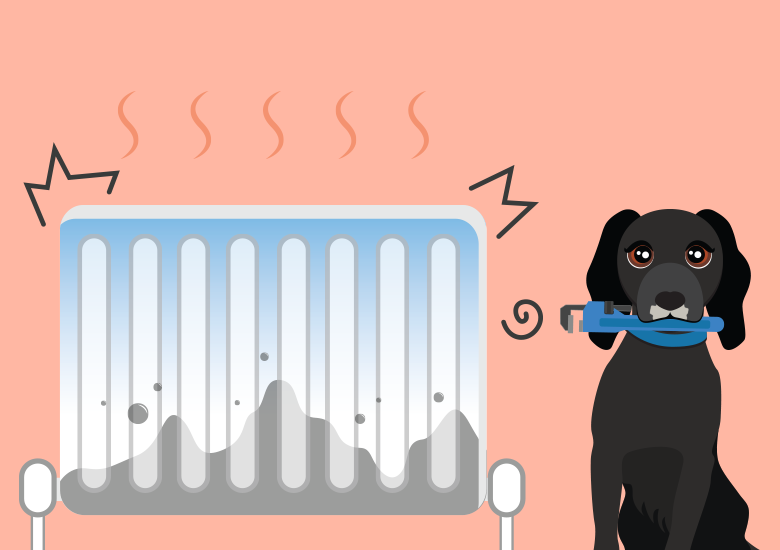
Sludge, also known as magnetite, forms when the steel inside radiators slowly corrodes. Surrey is also a hard water area, so limescale adds to the problem. Over time this debris settles at the bottom of radiators, narrows pipes and coats the heat exchanger inside your boiler.
The result is a system that has to work harder to give you the same comfort. Your boiler fires for longer, your pump runs for longer and you turn the thermostat up to make up for cold rooms. All of that shows up on your gas and electricity bills.
A power flush central heating clean tackles the cause rather than the symptoms, which is why it is one of the most cost effective improvements you can make to an older system.
5 Ways a Power Flush Cuts Your Energy Bills
1. Your Boiler Burns Less Gas
When sludge coats the heat exchanger, heat struggles to pass from the burner into the water. More gas is burned to reach the same temperature, and more heat is lost up the flue. After a power flush central heating clean, heat transfers efficiently again, so your boiler reaches temperature faster and switches off sooner.
Modern condensing boilers are especially sensitive to this. They are at their most efficient when the water returning to them is cool enough to condense, and a clean, balanced system makes that far easier to achieve.
2. Radiators Heat Evenly, So You Can Turn the Thermostat Down
A radiator that is hot at the top and cold at the bottom is a classic sign of sludge. Cold spots mean rooms take longer to warm up, and many households respond by turning the thermostat up a degree or two.
Once a power flush central heating service restores full flow, every radiator heats across its whole surface. Rooms warm up faster, and you can often turn the thermostat back down without feeling any colder.
3. Your Pump Uses Less Electricity
The circulating pump pushes water around your system whenever the heating is on. Blocked pipes and radiators force it to work against more resistance and run for longer each day. A clean system needs less effort to circulate, which trims the electricity the pump uses. It is a smaller saving than gas, but it adds up over every winter.
4. Fewer Breakdowns and Repair Bills
Sludge is one of the main causes of failed pumps, blocked heat exchangers and sticking diverter valves. Each of these can mean a call out charge, a replacement part and days without heating.
Regular power flush central heating maintenance, followed by fresh inhibitor and a magnetic filter, greatly reduces the risk of these costly faults and keeps your system running smoothly through the coldest months.
5. A Longer Life for Your Boiler
A boiler that is not fighting dirty water lasts longer and holds on to its efficiency for more of its life. Manufacturers such as Worcester Bosch expect system water to be clean and treated, and dirty water can affect a warranty claim.
Booking a power flush central heating clean before a new boiler goes in, or on an older system that is showing signs of sludge, helps protect your investment for years to come.
How Much Could Power Flush Central Heating Save You?
Savings depend on how dirty your system is, the size of your home and how you use your heating. The tables below use the Ofgem price cap rates from 1 October 2026, which are 7.97p per kWh for gas and 26.32p per kWh for electricity.
Estimated Gas Savings
| Home Size | Yearly Gas Use | Yearly Gas Cost | Saving at 10% Less Gas | Saving at 20% Less Gas |
|---|---|---|---|---|
| 2 bed flat or terrace | 7,000 kWh | £558 | £56 | £112 |
| 3 bed semi (typical home) | 9,500 kWh | £757 | £76 | £151 |
| 4 bed detached | 14,000 kWh | £1,116 | £112 | £223 |
| 2 bed flat or terrace | |
|---|---|
| Yearly Gas Use | 7,000 kWh |
| Yearly Gas Cost | £558 |
| Saving at 10% Less Gas | £56 |
| Saving at 20% Less Gas | £112 |
| 3 bed semi (typical home) | |
| Yearly Gas Use | 9,500 kWh |
| Yearly Gas Cost | £757 |
| Saving at 10% Less Gas | £76 |
| Saving at 20% Less Gas | £151 |
| 4 bed detached | |
| Yearly Gas Use | 14,000 kWh |
| Yearly Gas Cost | £1,116 |
| Saving at 10% Less Gas | £112 |
| Saving at 20% Less Gas | £223 |
Estimated Electricity Savings From the Pump
| Circulating Pump | Yearly Electricity Use | Yearly Cost |
|---|---|---|
| Older 80W pump in a sludged system (2,000 hours) | 160 kWh | £42 |
| Same pump running 20% less | 128 kWh | £34 |
| Yearly saving | 32 kWh | £8 |
These are illustrative estimates, not a guarantee. A lightly dirty system will save less, while a heavily sludged system with several cold radiators may save more. The middle row of the gas table uses 9,500 kWh, which is the typical yearly gas use Ofgem now uses for an average household.
Signs You Need a Power Flush Central Heating Service
Not every system needs flushing. Look out for these warning signs:
- Cold Spots: Radiators stay cold at the bottom or in the middle.
- Slow Warm Up: Rooms take much longer to heat than they used to.
- Dark Water: Black or brown water comes out when you bleed a radiator.
- Noisy Boiler: You hear kettling, banging or gurgling when the heating runs.
- Constant Bleeding: Radiators need bleeding again and again.
- Repeat Failures: Pumps or valves keep breaking down.
- New Boiler Planned: You are about to replace an old boiler.
If you recognise two or more of these, a power flush central heating check is well worth booking before the cold weather sets in.
Combine Your Power Flush With a Boiler Service
A power flush works best when the boiler itself is also in good order. Many of our customers book their power flush central heating clean alongside their annual boiler service, so the system water and the boiler are both looked after in one visit.
Our engineers are Gas Safe registered, so during the same appointment we can inspect the burner, check flue gas readings, test the safety devices and make sure your boiler is running as efficiently as possible.
Combining both jobs saves you a second appointment and a second day at home waiting for an engineer. You can see full details of our power flushing service on our heating services page.
Power Flush Central Heating Questions
How long does a power flush take?
Most homes with eight to twelve radiators take one working day. Larger properties or heavily sludged systems can take a little longer. Your heating and hot water will be off while the work is carried out.
Is a power flush safe for older systems?
In most cases, yes. On very old pipework or radiators, sludge can sometimes hide weak spots that start to weep once the debris is removed. We inspect your system before any power flush central heating work begins and tell you honestly if we spot a risk.
How often should I have a power flush?
Most systems do not need flushing every year. It is usually recommended when warning signs appear or before a new boiler is fitted. A magnetic filter, fresh inhibitor and an annual boiler service help keep your water clean in between.
Should I power flush before fitting a new boiler?
Yes, if the existing system is dirty. Connecting a brand new boiler to sludged water can damage it quickly and may affect the manufacturer warranty. A power flush central heating clean is often part of our boiler installation process where the system needs it.
Book a Power Flush in Surrey
If your radiators have cold spots or your bills keep climbing, a power flush central heating clean could make a real difference this winter. We will check your system, explain what it needs and give you a clear, fixed price before any work starts.
To book a power flush central heating visit, or to combine it with your annual boiler service, get in touch through our contact and booking page.
To speak directly with an engineer about a power flush central heating service, call Hayward Heating & Plumbing today on 01372 502248.