Home Air Conditioning Unit: Benefits, Costs, and Installation Explained
Home Air Conditioning Unit: The Benefits and What to Expect
Thinking about installing a home air conditioning unit but not sure where to start? You are not alone. More Surrey homeowners are asking about air conditioning every year, not just for hot summer weeks but as a year round comfort upgrade that also handles heating. A well chosen system can transform how a property feels in every season. In this guide we cover the real benefits, what installation actually involves, and what to expect once your home air conditioning unit is up and running.
As F-Gas registered and Refcom certified engineers, we install and service home air conditioning units across Surrey, and we get asked the same questions on almost every job. Here is what we tell our customers.
Table of Contents
- What Is a Home Air Conditioning Unit?
- The Benefits of a Home Air Conditioning Unit
- What to Expect: The Installation Process
- Living With Your Home Air Conditioning Unit: What Changes Day to Day
- Is a Home Air Conditioning Unit Worth It for Surrey Properties?
- Why Installation Standards Matter
- Common Questions About Air Conditioning at Home
- Choosing the Right Type for Your Room
- Final Thoughts
What Is a Home Air Conditioning Unit?
A home air conditioning unit is a system built to cool and often heat a domestic property, usually made up of an indoor unit and an outdoor unit connected by refrigerant pipework. Most modern systems fitted in UK homes use inverter technology, which means the compressor adjusts its speed to match demand rather than switching on and off at full power. This keeps rooms at a steady temperature and helps control running costs.
Many people assume air conditioning is only for cooling, but the majority of units fitted today are reverse cycle, meaning the same equipment provides both cooling in summer and efficient heating in winter. That dual purpose is one of the main reasons this kind of home air conditioning system has become a practical year round investment rather than a summer only luxury.
Sizing matters more than most people expect. A unit that is too small will run constantly and struggle to reach temperature, while one that is too large will cycle on and off frequently, which wastes energy and can leave a room feeling clammy rather than genuinely comfortable. Getting this right during the survey stage makes a real difference to how a residential air conditioning unit actually performs.
The Benefits of a Home Air Conditioning Unit
Reliable Cooling and Heating
The obvious benefit is comfort. On a hot summer day, a well sized home air conditioning unit brings a room down to a comfortable temperature within minutes rather than hours. In winter, that same equipment can heat a room efficiently, often working out cheaper to run than electric panel heaters for the same space.
Better Air Quality
Most units include filters that remove dust, pollen, and airborne particles as air passes through the system. For households with allergies or asthma, this can make a noticeable difference. Some higher spec models also include humidity control, which helps reduce the damp, stuffy feel that some older properties struggle with, particularly in converted lofts and extensions with a lot of glazing.
Lower Running Costs Than Expected
A common concern is that air conditioning will push electricity bills up sharply. With an inverter driven home air conditioning unit, running costs are typically far lower than people assume, since the compressor is only working as hard as it needs to at any given moment rather than running flat out constantly. Over a full year, the heating side of the system often does more work than the cooling side, so it is worth judging costs across all twelve months rather than just a hot week in July.
Quiet Operation
Modern indoor units run quietly enough to sit in a bedroom overnight without disturbing sleep, and outdoor units are designed to minimise noise for neighbouring properties too, which matters on tighter Surrey plots where gardens sit close together.
Added Property Value
A neatly installed home air conditioning unit is increasingly seen as a desirable feature by buyers and tenants, particularly in properties with south facing rooms or loft conversions that can otherwise overheat for much of the summer.
What to Expect: The Installation Process
If you have never had one fitted before, the process is more straightforward than most homeowners expect.
1. Site Survey
An engineer visits to assess the room, check where the outdoor unit can sit, and confirm the best route for pipework. This is also when we discuss the right size and type of home air conditioning unit for the space, since an undersized system will struggle and an oversized one wastes energy.
2. Choosing Your Home Air Conditioning Unit
For a single room, a simple wall mounted unit is usually enough. For multiple rooms, a multi split system connecting several indoor units to one outdoor unit is often more practical and tidier on the outside of the property.
3. Installation Day
A typical single room installation takes around half a day. The outdoor unit is mounted, pipework is run through the wall, the indoor unit is fitted and connected, and the system is pressure tested, vacuumed, and charged with refrigerant before being commissioned.
4. Handover
Once fitted, we walk you through the controls, the app if the system has one, and any basic maintenance you can do yourself, such as cleaning filters every few months.
Living With Your Home Air Conditioning Unit: What Changes Day to Day
Most customers tell us the same thing a few weeks after fitting: they stop noticing the home air conditioning unit is there and simply notice the room is comfortable. Setting a schedule through an app means the room can be at the right temperature before you get home, rather than switching everything on and waiting. In winter, running the system on its heating setting for the coldest month or two often costs less than people expect, especially compared with older electric heaters.
Maintenance is minimal. A yearly service keeps the equipment running efficiently and protects the manufacturer warranty, and filters should be cleaned periodically depending on use. Most customers find a quick wipe down and filter clean every few months is all that is needed between annual services.
Is a Home Air Conditioning Unit Worth It for Surrey Properties?
Surrey has a wide mix of housing, from Victorian terraces to modern new builds with large glazed extensions that overheat quickly in summer. For rooms that get uncomfortably warm, whether that is a loft conversion, a south facing lounge, or a home office that doubles as a spare bedroom, a properly sized domestic air conditioning unit solves a problem that fans and portable units usually cannot.
For homes needing more than one room covered, it is worth reading our guide on multi split air con versus single split systems to understand the cost differences between the two approaches, since fitting several separate units is rarely the cheapest route once you look past the initial price tag.
Why Installation Standards Matter
Refrigerant handling is regulated under UK F-Gas legislation, and by law only certified engineers can work with these home air conditioning units. We are registered on the F-Gas Register and hold Refcom certification, so every installation meets the required legal and safety standards, and manufacturer warranties stay valid.
For independent guidance on standards and best practice, the Building Engineering Services Association (BESA) is a useful reference point, and it is worth checking any installer’s credentials before work begins rather than after.
Common Questions About Air Conditioning at Home
Will it dry out the air in my house?
Some drying effect is normal with any cooling system, much like it would be with central heating in winter. Most modern home air conditioning units include a humidity setting, and running the unit sensibly rather than constantly on full power keeps this well within a comfortable range for most households.
Can I fit air conditioning in a flat or leasehold property?
In many cases yes, though it depends on the lease and whether the freeholder or management company has restrictions on external alterations. This is worth checking before booking a survey, and it is one of the reasons a discreet, single home air conditioning unit setup is often preferred over multiple visible units on a shared wall.
How long does a typical home air conditioning unit last?
With annual servicing, most quality equipment from established manufacturers will comfortably run for ten to fifteen years, sometimes longer. Skipping servicing tends to shorten that lifespan and can also void the manufacturer warranty, so it is not an area worth cutting corners on.
Do I need planning permission?
Most domestic installations fall under permitted development and do not need planning permission, though listed buildings, conservation areas, and certain flats can be exceptions. Your installer should be able to advise on this during the initial survey based on the specifics of your property.
Choosing the Right Type for Your Room
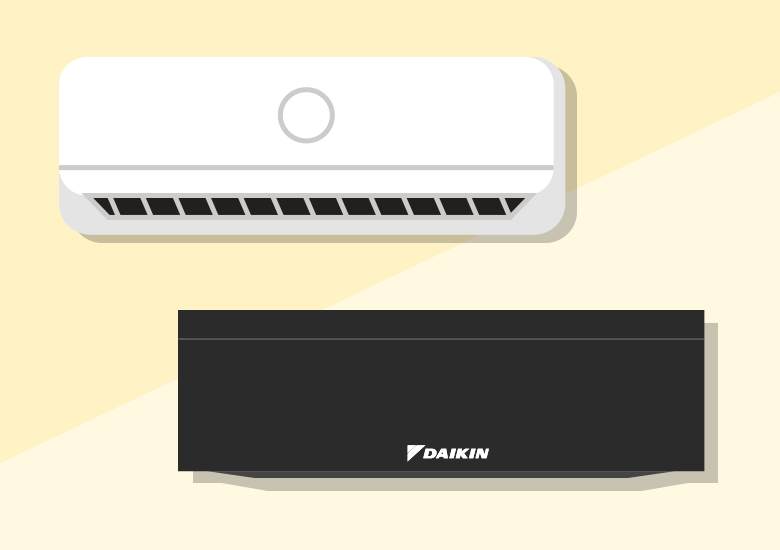
Not every space suits the same style of home air conditioning unit. Wall mounted units are the most common choice and work well in most bedrooms, living rooms, and home offices. Floor standing units suit rooms where wall space is limited or where a lower mounting position works better with the layout of the furniture. Cassette units, fitted into a suspended ceiling, are a neater option for open plan kitchen diners or larger rooms where a wall mounted unit would look out of place or struggle to distribute air evenly across the whole space.
Getting this choice right at survey stage, alongside correct sizing, is what separates a home air conditioning unit that quietly does its job for over a decade from one that underperforms and gets switched off in frustration within the first year.
Final Thoughts
A home air conditioning unit is no longer a luxury reserved for offices and hot climates. For Surrey homes with rooms that overheat, allergy sufferers wanting cleaner air, or anyone wanting one system that handles both cooling and heating, it is a practical upgrade that tends to pay for itself in comfort quickly and, in many cases, in running costs too.
If you would like an honest recommendation for your property, take a look at our air conditioning installation services or get in touch today for a free quote.